









Below, Nicolas Niarchos shares five key insights from his new book, The Elements of Power: A Story of War, Technology, and the Dirtiest Supply Chain on Earth.
Nicolas is a journalist whose work focuses on energy, war, and migration. His work has been published in The New Yorker, The Nation, and the New York Times. He has testified on the effects of Congolese battery metal mining on Capitol Hill, and his work on mining in Indonesia was shortlisted for a 2024 Livingston Award.
What’s the big idea?
The batteries that power modern life are built on hidden, exploitative supply chains, and the global rush to secure their minerals is creating a new scramble for power, profit, and control.
1. We often don’t know where our devices come from.
Supply chains for electronics are deliberately opaque.
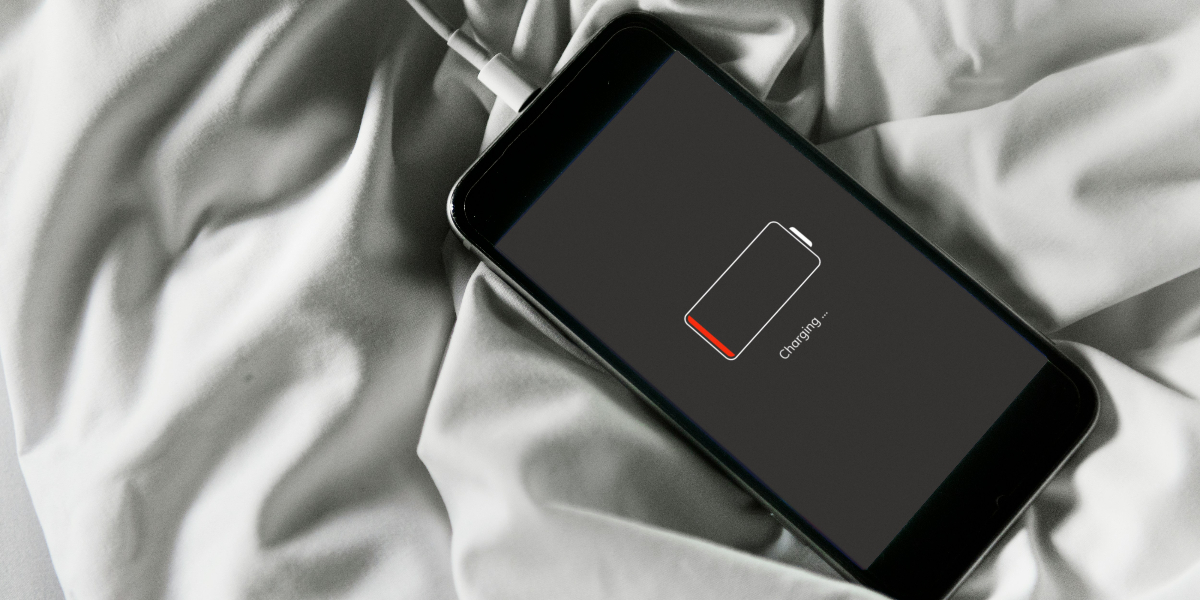
Did you know that part of the battery in your phone was made in the Democratic Republic of the Congo? The DRC is the world’s main source of cobalt, a metal used in the cathode, or positive electrode, of most lithium-ion batteries. Some 70 percent of the world’s supply is in the DRC, making this country central to the lithium-ion battery revolution.
But despite the extraordinary mineral wealth in their soil, most Congolese remain deeply impoverished and marginalized. Corruption, exploitation, and violence persist at every level—from artisanal miners and children working in dangerous conditions to systemic looting by political and economic elites (both Congolese and foreign).
The people who dig up the resources that power the global economy are often those who benefit least from their extraction, continuing centuries of extractive, often colonial, patterns.
2. Green tech can be incredibly dirty.
Corporate and consumer narratives about clean technology rarely confront the deeply dirty supply chains that underpin green energy’s rise. The global shift toward “green” energy, electrification, and clean technology has not eliminated the social and ecological abuses that have been traditionally associated with fossil fuels.
Instead, these abuses have been displaced and reconfigured. Pollution has moved from big cities to mining sites. In Indonesia, coal powerplants pump fumes into the sky and toxic sludge into the seas. In the DRC, mines are notorious for child labor, hazardous conditions, displacement of communities, and environmental contamination.
“Environmental responsibility, just investment, and real supply chain reform cannot be achieved by technical fixes alone.”
The transition from fossil fuels to batteries does not absolve society of the moral and political questions of extraction. “Green” technology still depends on resources drawn from communities that rarely see equitable benefit and endure the burdens of mining. We must respect the perspectives, rights, and well-being of those living atop these resources. Environmental responsibility, just investment, and real supply chain reform cannot be achieved by technical fixes alone.
What’s more, supply chain transparency is often manipulated. Audits and certifications are often limited in scope, while corporate pledges like Apple’s to halt sourcing certain minerals from the DRC do not resolve the underlying economic or political structures that enable abuses. Chinese, Western, and local actors alike exploit intricacies and loopholes to maximize profit, evade accountability, and maintain an appearance of moral responsibility.
3. Batteries and green tech have created a new scramble for resources.
The rush for critical minerals is fueling geostrategic shifts and shaping conflicts around the world. Lithium-ion batteries underpin the modern world—from smartphones to electric vehicles—and have precipitated a scramble for the resources required to manufacture them. This supply chain is the site of complex rivalries, particularly between the United States and China.
Since the Cold War, the U.S. has gradually retreated from the world, and there are now fewer U.S. and European companies operating at the sites that these critical resources come from.
China, on the other hand, has achieved near-complete dominance over battery manufacturing and the extraction and refining of critical minerals, like cobalt and lithium. Control over these resources increasingly determines not only corporate fortunes but also state power and leverage in geopolitics.
4. The U.S.—and Big Tech—needs China.
China provides a smokescreen for Big Tech, a “black hole” from which products emerge. But without China, batteries would be much more expensive, so companies have taken advantage of the country’s cheap manufacturing for years.
“Control over these resources increasingly determines not only corporate fortunes but also state power and leverage in geopolitics.”
Chinese companies have only been kept out by tariffs and protectionism: Elon Musk has said that companies like the EV manufacturer BYD would “demolish” rivals without trade barriers.
As the world tries to move away from China, will we have to accept higher prices for batteries? Or will Chinese products, produced by Chinese companies, finally take over?
5. There is hope.
It’s not all a scramble to eke profits from a dying world. In the town of Bunkeya, in the DRC, I watched the yearly commemoration of the local king’s coronation. Century-old muskets were fired in the air by an honor guard and the king received gifts on a golden throne. Outside the royal compound, farms were thriving, roads were paved, and business was good. Most communities in the DRC can’t say the same, but in Bunkeya, the king has managed to recapture mining revenues and invest them in his community, showing the benefits that minerals can bring when managed correctly.
In other places, including in the U.S., I saw how cleaner mining could be carried out with fewer emissions and no toxic spills. The new rush for power might be a cynical landgrab, but it’s also flush with opportunities. More global awareness around the topic could create real impetus toward cleaner extractive policies that give back to communities.
Enjoy our full library of Book Bites—read by the authors!—in the Next Big Idea App: